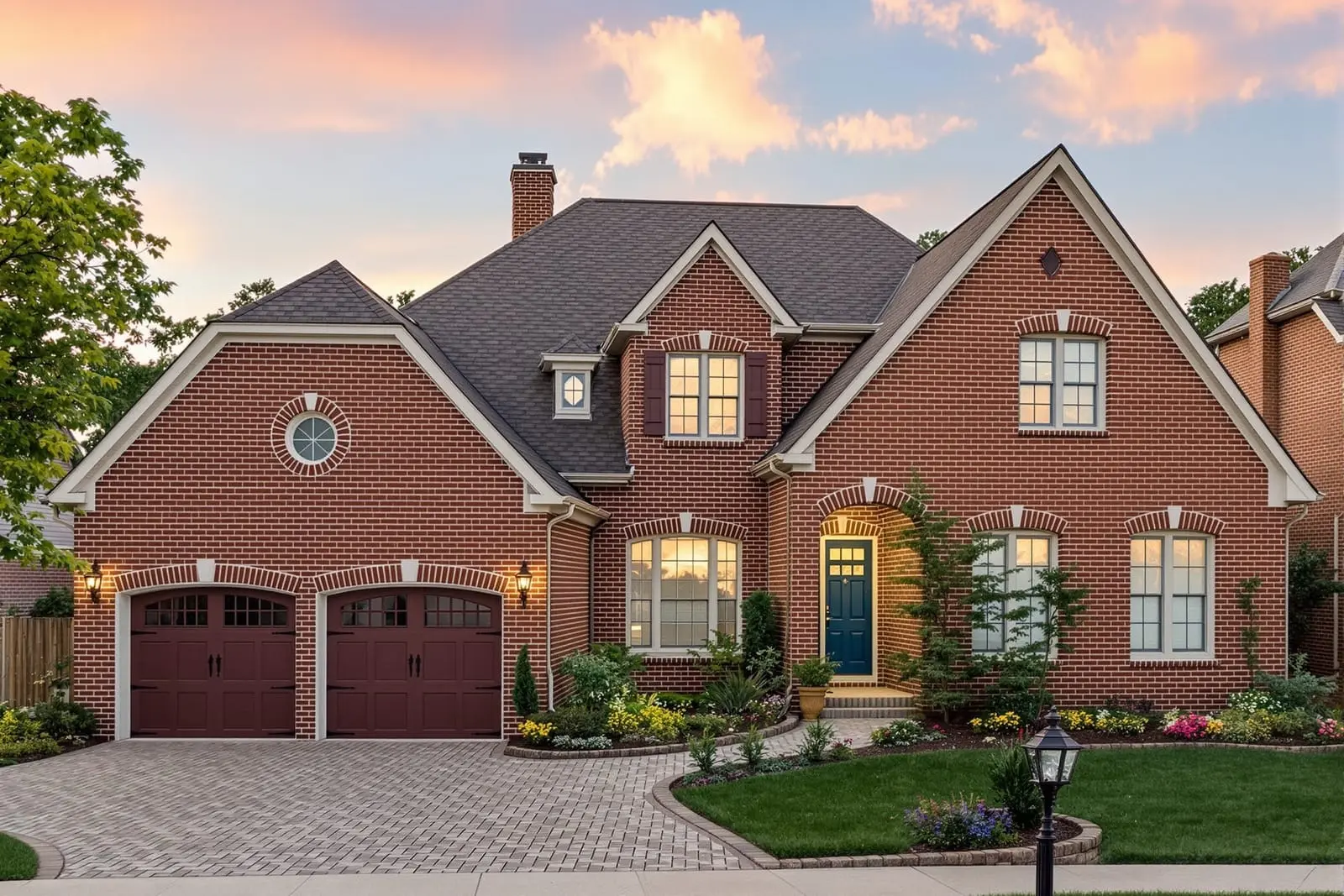
Our brick masonry in Miami, FL delivers durable and attractive brickwork for homes of every style. From new walls to custom features, our brick masons focus on long lasting results. We match brick, mortar, and detailing to your property, creating value boosting curb appeal. Schedule a free estimate to plan your residential brick project.
Vanguard Masonry Miami provides professional brick masonry throughout Miami, FL and the surrounding area. Our licensed, insured crew delivers safe, clean, on-time work with a free estimate before anything begins. Call (786) 460-2476 or request your free quote.
Brick Masonry Services in Miami Built for Heat, Humidity, and Hurricanes
Brick work in Miami has to deal with salt air, heavy rain, and strong winds, so the way the brick is chosen and installed matters just as much as how it looks. At Vanguard Masonry Miami, we treat every brick job as part of the structure, not just decoration, whether it is a new brick wall, a brick veneer on a block house, or a small repair around a window.
For Miami homes and commercial buildings, brick is usually part of a system. You might have solid brick walls, brick over concrete block, or a brick accent tied back to a concrete structure. We inspect what is already there, check for movement cracks, loose joints, and salt damage, then plan the work so the new brick ties properly into existing walls and foundations.
Local conditions drive our decisions. In coastal and bayfront areas we pay close attention to moisture barriers and weep systems behind brick so trapped water can drain out instead of staying in the wall. Inland neighborhoods deal more with heat and sun exposure, so we focus on expansion joints and mortar mixes that handle thermal movement without cracking.
Everything we build is done to meet or exceed Miami-Dade and Florida Building Code requirements. That includes how we anchor brick veneer to backup walls, how we reinforce freestanding brick columns and fences, and how we select fasteners and ties that can handle corrosion from salt in the air.
How Brick Masonry Work Actually Happens
A good brick job is more than setting units in a straight line. There is a defined process that we follow at Vanguard Masonry Miami so the finished work stays solid and drains correctly.
First we assess the site. For new brickwork this means checking the foundation or slab for level, verifying wall layout, and confirming that structural supports and waterproofing are in place. For repairs and additions we look at existing brick type, size, color blend, mortar color, and joint style so we can match as closely as possible.
Next we prepare the base. For walls or columns this can include setting rebar in concrete footings, installing block backup where needed, or grinding and cleaning existing surfaces so new brick will bond. For veneers we check that the sheathing, housewrap, or waterproofing membrane is intact, then we install brick ties and flashings before a single brick is laid.
Then we lay out the brick. We snap lines, set story poles, and dry stack test courses at corners to make sure we will not end up with a sliver of brick at the top or around openings. This planning step is often skipped by inexperienced crews, and it is one reason some jobs end with awkward cuts above windows or misaligned joints.
Only then do we start laying brick. We mix mortar to suit the job (Type S or Type N in most residential work here), adjust water content to match the weather, and keep joints consistent in thickness. As we move up the wall we tool joints to the profile that matches your existing work or design choice, usually a concave or vee joint in Miami because those shed water better.
For veneers and structural brick we install brick ties as we go, usually every few courses, and we form weep holes at the bottom so any water behind the brick can escape. We constantly check plumb, level, and bond pattern so the face looks uniform. At the end we clean with the mildest method that will work, to avoid burning or streaking the brick surface.
Brick Options, Patterns, and Details That Work in Miami
Brick looks simple from a distance, but there are many choices that affect how it will hold up in South Florida. At Vanguard Masonry Miami we walk homeowners and builders through these decisions before work begins.
Brick type: In our climate we prefer brick rated for severe weathering and low absorption, since that handles rain cycles and salt exposure better. For coastal properties we discuss using brick with better salt resistance and pairing it with stainless or hot dipped galvanized anchors if budget allows.
Colors and textures: Miami architecture mixes modern, Mediterranean, and tropical designs. Smooth, uniform brick tends to suit modern homes and commercial fronts. Tumbled or textured brick fits well with older Coral Gables and Spanish style homes. We help clients look at full panels or multiple sample boards in outdoor light, not just a single sample brick, so you see the real color blend you will get.
Bond patterns and accents: Running bond is the most common pattern, but small details can make a wall stand out. Soldier courses above windows, rowlock borders on garden walls, or recessed panels in a long fence can add interest without a big cost jump. We also talk through joint profiles and mortar color, since those can change the look of the same brick from formal to rustic.
Drainage and flashing: In Miami this is not optional. Behind brick on framed or block walls, we want flashings at the base, over openings, and at roof to wall intersections, with weeps or vents to let moisture out. We explain where these go and what will be visible so you know what to expect. Skipping these details is one of the fastest ways for a brick veneer to cause leaks or trapped moisture in our climate.
Finishing touches: On exposed garden walls, steps, or low fences, we usually cap with solid brick, cast stone, or concrete caps pitched to shed water. This small step protects the courses below from soaking and keeps efflorescence in check.
What Affects Brick Masonry Cost in Miami
Two brick jobs that look similar in a photo can be very different in cost once you see what is behind them. When Vanguard Masonry Miami prices a project, we explain the main drivers so you can decide where to spend and where to save.
Access and staging: Tight Miami lots, limited side yards, and high traffic streets can affect labor. If material has to be moved by hand through a narrow side yard instead of with equipment, or if scaffold cannot be set up in a simple way, labor hours go up.
Structure and prep work: A simple brick garden wall on a new footing costs less per foot than a brick veneer on an older house that needs crack repair, grinding out failed joints, or new flashing. If we find deteriorated block or wood behind existing brick, we will show you and discuss whether that should be corrected before new work is added.
Brick and mortar choice: Standard modular brick is usually more affordable and easier to source than special shapes or imported units. Custom colors, odd sizes, or large format brick can raise both material and labor cost. Mortar color changes can also add cost, especially if we are matching an older home that used a specific pigment.
Engineering and code requirements: Freestanding brick walls above a certain height, entry columns that support gates, and any structural brick in wind zones may require engineered details, more reinforcement, and stricter anchor spacing. That means more materials and more time.
Schedule and phasing: If brickwork must be done around other trades on a tight schedule, or only during certain hours in a busy commercial area, that can affect how efficiently we work. We always outline these factors in our proposals so you know what is driving the number and where changes could lower or raise the cost.
Common Brick Problems in Miami and How We Fix Them
Older brick homes and walls in Miami tend to show the same patterns of wear. Knowing what you are looking at will help you decide what needs a mason and what can wait. Vanguard Masonry Miami handles repair as carefully as new work so problems do not keep coming back.
Cracks: Hairline cracks in mortar joints are common and not always structural. Wider cracks that step through bricks or run diagonally from windows can point to settlement or movement. We inspect to see if the crack is active, then repair accordingly. Simple non structural cracking is usually handled by grinding out joints to a proper depth and repointing with compatible mortar.
Spalling brick and mortar deterioration: In coastal zones and on walls that stay damp, you might see faces of bricks flaking or mortar turning sandy and washing out. This is often from moisture and salt. We remove damaged units, check the backing wall, then reinstall with better drainage details if possible. Using the wrong, too hard mortar on older brick can actually worsen this problem, so we match the mortar strength to the existing wall.
Efflorescence and staining: White, powdery deposits on brick are salts that have been carried to the surface by water. The brick itself is often still sound. We trace where the water is coming from, improve drainage or flashing there, then clean the surface with appropriate cleaners and methods so the brick is not etched.
Loose or leaning sections: Garden walls, planters, and old columns are prone to leaning in our soft soils, especially if they were built without proper footings. We assess whether rebuilding is more sensible than patching. Where possible, we can add reinforcement, new concrete footings, and rebuild the brick in the same style so it looks original but behaves like a new structure.
Before any repair, we explain what we believe caused the problem and what level of fix makes sense for your plans and budget. Some clients want a short term cosmetic repair to get a property sale ready. Others want a long term solution that will outlast another hurricane cycle. We tailor our brick masonry work accordingly.
“
Professional brick masonry, done right the first time, quality materials, honest pricing, and results that last.