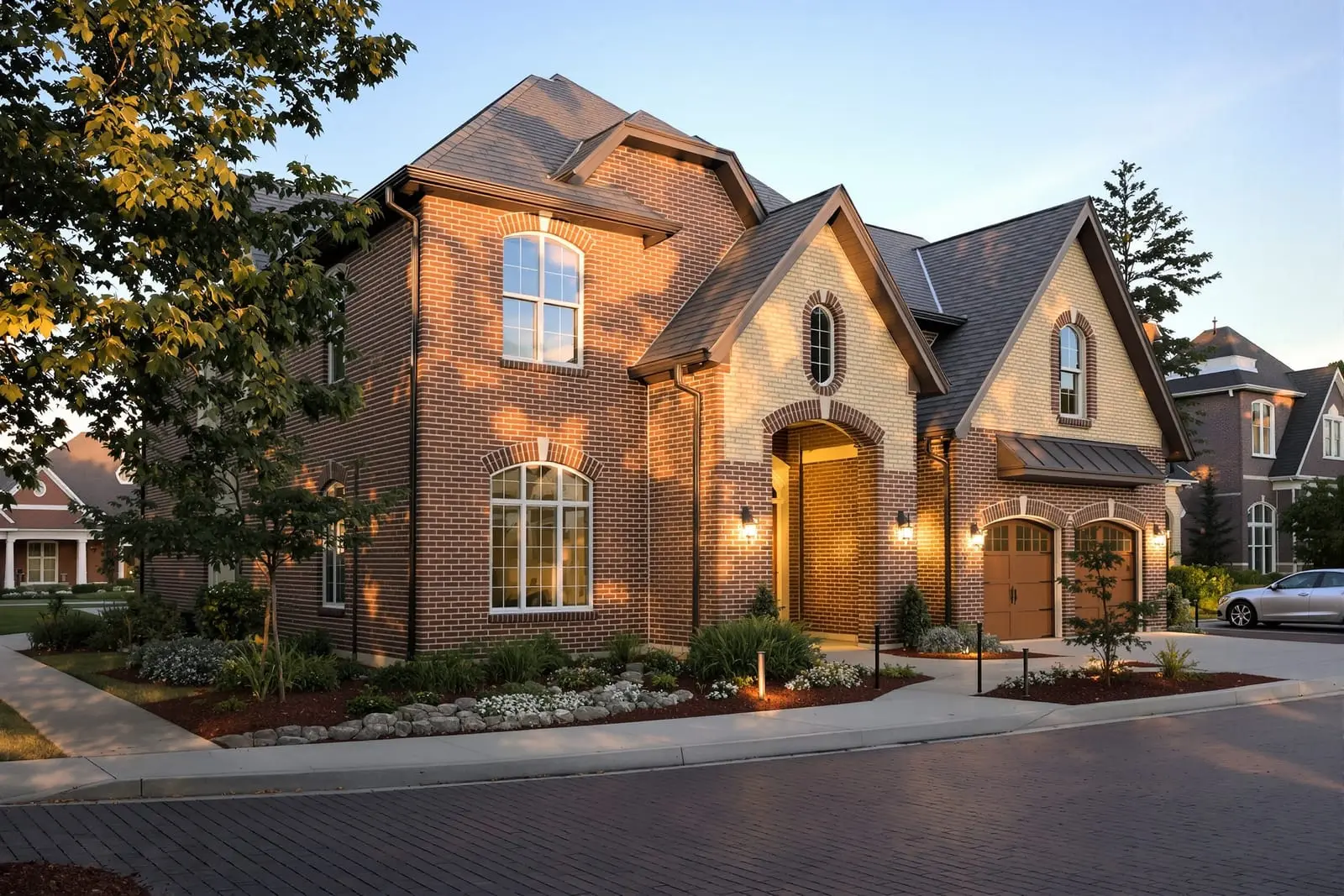
We install commercial brick veneer systems in Miami, FL that provide the look of solid masonry with engineered wall assemblies. Our team handles anchors, air gaps, flashing, and weeps to meet performance requirements for multi story buildings. We coordinate with cladding and insulation trades to keep your schedule on track. Request a complete commercial brick veneer quote for your project.
Vanguard Masonry Miami provides professional commercial brick veneer throughout Miami, FL and the surrounding area. Our licensed, insured crew delivers safe, clean, on-time work with a free estimate before anything begins. Call (786) 460-2476 or request your free quote.
Commercial Brick Veneer Systems for Miami Properties
Vanguard Masonry Miami designs and installs commercial brick veneer systems that meet South Florida performance standards while still respecting your budget and schedule. We focus on the details that matter in Miami: wind loads, moisture, salt air, heat, and long-term movement of large commercial structures.
Our team works with property managers, general contractors, and building owners to create cladding that looks like full brick masonry but is lighter, engineered, and compatible with modern structural systems. Whether you are dressing a concrete block building on Biscayne Boulevard or updating an aging strip center near Coral Way, we match the veneer system to the structure, code requirements, and aesthetic you want.
When we say “commercial” brick veneer, we are talking about systems that stand up to heavy use, strong sun, and hurricane conditions, while still installing fast enough to keep large projects on schedule. Every specification we recommend is based on real field experience on Miami job sites, not just catalog data.
How Commercial Brick Veneer Is Built in Miami Conditions
A properly installed commercial brick veneer in Miami is a layered system, not just brick units on a wall. For typical mid-rise and low-rise buildings, we often work over concrete block or poured concrete. The process usually starts with surface preparation, including cleaning the substrate, knocking down high spots, and addressing cracks so the veneer can move independently without telegraphing existing damage.
Next, we install a drainage plane and water-resistive barrier suited to Miami’s frequent heavy rain. This may be a fluid-applied air and water barrier or a sheet membrane, with carefully detailed laps and terminations around windows and slab edges. We then install metal ties or adjustable veneer anchors that are corrosion-resistant and rated for high wind pressures. Anchor layout is designed to meet the specific wind exposure and building height, not a one-size-fits-all spacing.
Brick units are laid with properly tooled joints to shed water away from the wall surface. We integrate flashing and weep systems above openings, at floor lines, and at the base of the wall to let trapped moisture exit. Expansion and control joints are placed based on building geometry and known thermal movement in Miami’s hot climate, which prevents cracking and bulging later. The final result is a ventilated, drained veneer that protects the structure rather than trapping water against it.
Brick Options, Aesthetic Choices, and System Types
Commercial brick veneer systems offer far more variety than a single red brick. Vanguard Masonry Miami helps clients choose between traditional modular bricks, larger format units, and architectural brick styles that complement glass, stucco, metal panels, or tilt-up concrete.
Colorfastness is critical in the Miami sun. We recommend brick lines that have proven resistance to fading and efflorescence in coastal environments, and we review sample panels in natural daylight on your site to avoid surprises. Textures range from smooth and wire-cut to heavily distressed or tumbled. For retail and hospitality projects, we often mix colors or use banding and projecting courses to create depth without driving costs out of control.
We also explain the difference between anchored brick veneer, adhered thin brick veneer, and panelized brick veneer systems. Anchored veneer uses full-depth brick supported on brick ledges, ideal for larger buildings with concrete or steel frames. Adhered thin brick uses lighter units attached with mortar or specialty adhesives, useful for retrofits or weight-limited structures. Panelized systems deliver pre-assembled sections, which can accelerate installation on tight downtown sites. We review these options with your design and structural team so the selected system fits both the architecture and the engineering.
What Drives the Cost of Commercial Brick Veneer in Miami
Several specific factors control the cost of commercial brick veneer in Miami, and understanding them up front helps prevent change orders later.
Height and access: Higher facades require more scaffolding, lifts, and safety measures. A 3-story shopping center in Doral will be less complex than a mid-rise hotel near downtown, even with similar square footage. Tight alleys, overhead power lines, and neighboring properties can increase mobilization time and equipment costs.
Structural support and detailing: The design of brick ledges, shelf angles, anchors, and movement joints has a major impact on both material and labor. Heavy veneers on older concrete structures may require new steel angles or reinforcing, while thin veneer over sound block can use more economical anchoring systems.
Material selection: Imported specialty brick, complex color blends, and custom shapes raise costs, as does high-performance flashing, stainless anchors, and upgraded air barriers. In coastal zones nearer to the bay, we often recommend higher grade corrosion-resistant metals, which cost more initially but significantly extend service life.
Schedule and phasing: Working around active tenants, night hours, or compressed timelines can increase labor rates and staging costs. Vanguard Masonry Miami plans phasing with your GC or property manager to limit disruption and avoid weather-related delays, which keeps costs predictable.
Common Problems With Brick Veneer and How We Prevent Them
Miami’s humidity, wind-driven rain, and temperature swings expose weak veneer installations quickly. We routinely see problems on older or low-cost projects, such as bulging walls, cracking at windows, efflorescence, and mold issues inside tenant spaces.
Bulging or loose brick veneer is usually caused by corroded anchors, missing movement joints, or poor support at shelf angles. We address this in new work by using stainless or hot-dip galvanized anchors rated for coastal exposure, and by locating expansion joints based on engineered spacing rather than guesswork. On retrofit projects, we open targeted areas to inspect existing ties and verify bond before recommending a repair scope.
Water intrusion and efflorescence often result from missing or incorrectly lapped flashing and lack of weeps. In our commercial brick veneer systems, every penetration and transition is detailed on drawings and field-checked during installation. We coordinate with window, roofing, and stucco trades to ensure continuity of water and air barriers, so there are no unplanned openings for rain to enter. Mortar mixes are selected and batched to reduce soluble salts, which cuts down visible efflorescence on the finished facade.
Thermal cracking is another Miami-specific challenge. The sun heats dark brick surfaces significantly during the day, then tropical rains cool them rapidly. We allow for this movement with strategically placed soft joints and flexible sealants so that the masonry can move independently of the structural frame without damage.
Scheduling Brick Veneer Work Around Miami Weather and Operations
The Miami climate affects how we plan and execute commercial brick veneer projects. Afternoon thunderstorms, hurricane season, and high humidity all influence scheduling and sequencing.
For new construction, the most efficient window is typically late fall through early spring, when rain is less frequent and temperatures stay within ideal ranges for mortar curing. During summer, we plan work earlier in the day and organize tasks so that open wall areas can be protected quickly before afternoon storms. We also monitor forecasts for heavy rain or tropical systems and secure materials and scaffolding accordingly.
On operating commercial properties like shopping centers or medical offices, we coordinate work areas to keep entrances open, meet noise restrictions, and protect parked vehicles from dust and debris. This often means phased sections, temporary barriers, and detailed communication with tenants about when specific elevations will be affected. Vanguard Masonry Miami builds schedules with these realities in mind so your property remains functional and presentable throughout the project.
What to Ask Before Hiring a Commercial Brick Veneer Contractor
Before you hire any contractor for commercial brick veneer in Miami, there are specific questions that will reveal if they understand local conditions and code requirements.
Ask what wind speed and exposure category their anchor and tie layouts are designed for, and require documentation that matches your project’s structural engineer specifications. Request details on the water management strategy: what type of air and water barrier they use, how they install flashing at window heads and sills, and where weeps will be located. A contractor who cannot explain this clearly likely relies on generic details that may not work in Miami’s rain and wind.
You should also ask to see samples of similar completed commercial projects in the county, ideally ones that have gone through at least a few rainy seasons and a storm cycle. At Vanguard Masonry Miami, we provide addresses, system descriptions, and photos of our completed brick veneer jobs so you can see how the work has held up over time.
Finally, verify that your contractor understands permitting with Miami-Dade or the relevant municipality. Brick veneer systems often require product approvals for anchors, barriers, and sometimes brick units. We handle submittals, product approvals, and respond to inspector questions so that your project moves through permitting and inspections without costly rework.
“
Professional commercial brick veneer systems, done right the first time, quality materials, honest pricing, and results that last.
Vanguard Masonry Miami
Commercial Brick Veneer Systems Across Our Service Area