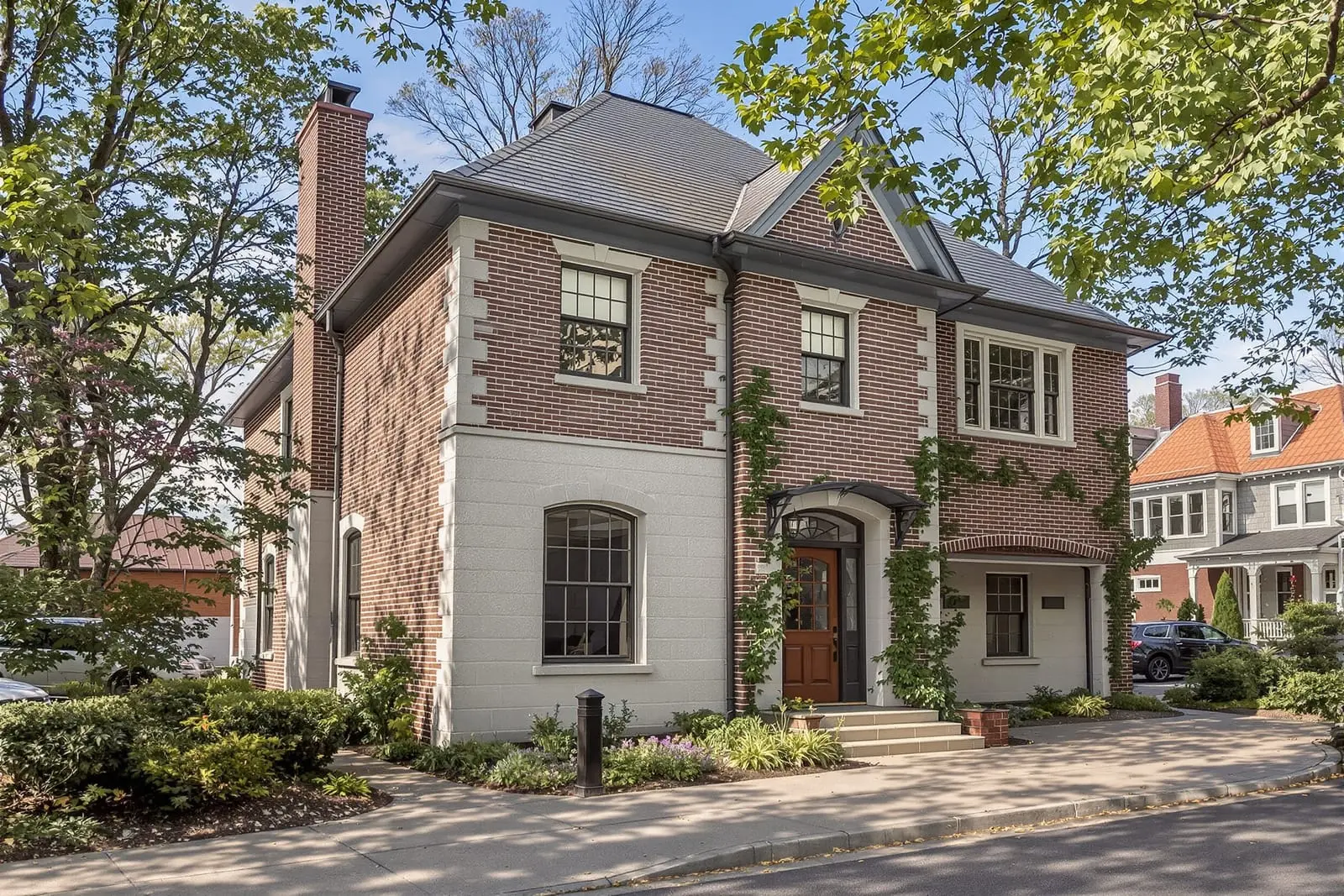
We offer commercial tuckpointing in Miami, FL to restore mortar joints and brickwork on offices, schools, and multifamily buildings. Our crews remove failing joints, repoint with compatible mortar, and replace damaged units to extend the life of your facade. Work is staged to minimize disruption for tenants and customers. Schedule a building wide masonry repair assessment with our team.
Vanguard Masonry Miami provides professional commercial tuckpointing throughout Miami, FL and the surrounding area. Our licensed, insured crew delivers safe, clean, on-time work with a free estimate before anything begins. Call (786) 460-2476 or request your free quote.
Commercial tuckpointing for Miami buildings that need to stay open
Commercial tuckpointing is not the same as patching a loose brick or two at home. On a Miami commercial property, we are working around tenants, customers, and tight operating schedules. Vanguard Masonry Miami plans every commercial tuckpointing project to keep your building safe and functional while we restore the masonry.
We start with a site walk that includes access paths, loading zones, and business hours. For retail on Coral Way or office buildings near Brickell, we often phase work so the most visible elevations are handled during slower hours. We coordinate with property managers and security so lifts, scaffolding, and material deliveries do not block emergency exits or parking. Our goal is to restore your brick or block façade without disrupting your tenants or customers.
Commercial tuckpointing is about structure as much as appearance. When mortar fails in our hot, humid coastal climate, water reaches steel lintels, rebar, and anchors. We inspect those elements as part of the scope, not as an afterthought. This is how we avoid the surprise of discovering hidden damage halfway through the job, which can blow up timelines and budgets.
How we actually perform commercial tuckpointing and masonry repair
Vanguard Masonry Miami follows a step-by-step process tailored to South Florida conditions so tuckpointing and masonry repair last in our heat and salt air.
1) Condition survey and documentation: We photograph each elevation, mark spalled brick, cracked block, open joints, and movement cracks in a grid, then create a repair map. Property managers receive this map to share with ownership or HOAs so everyone understands what will be done and where.
2) Test panels: Before touching the main façade, we complete a small test area using proposed mortar color and joint profile. This is important on older brick storefronts in Little Havana or warehouse conversions in Wynwood. You see the result in sunlight and shade, then approve or adjust before we proceed.
3) Mortar removal: We use grinders with vacuum attachments and hand chisels to remove deteriorated mortar to a proper depth, generally 2 to 2.5 times the width of the joint. On older brick we rely more on hand tools to avoid chipping. We never “skim coat” over soft mortar because that traps moisture and fails quickly, especially with Miami’s near-daily summer rains.
4) Joint cleaning: Joints are brushed, blown clean, and lightly dampened so new mortar bonds correctly and cures slowly, which is critical in our heat. Skipping this step is one of the main reasons short-cut jobs fail.
5) Mortar installation: We pack new mortar tightly into the joint in lifts, striking it to match the original profile (concave, flush, or weathered). For commercial block walls, like shopping centers and schools, we may use a slightly different mix and tooling to match existing CMU joints.
6) Final tooling and cleanup: Once mortars start to set, we tool again for a tight, water-shedding finish, then wash the masonry surfaces with appropriate cleaners that will not bleach or etch the brick. We protect nearby glass and metal finishes so cleaning products do not stain them.
Throughout the process our crews keep sidewalks broom-clean and maintain clear egress paths that meet typical City of Miami expectations for occupied buildings.
Materials and mix design that work in Miami’s climate
The mortar used in commercial tuckpointing must be compatible with the original masonry and strong enough for commercial use, yet flexible enough to handle building movement. Vanguard Masonry Miami tests and selects mixes with Miami’s conditions in mind.
For historic or older brick buildings, we often use a lower-strength, higher-lime mortar so the joint can absorb movement and moisture without damaging the brick. For newer commercial block construction, we use mix designs that match the original Type N or Type S mortar, verified by color, texture, and compressive strength where needed.
We account for salt exposure and wind-driven rain, especially in coastal areas like Miami Beach and properties close to Biscayne Bay. For these sites, we may incorporate water-repellent admixtures or follow tuckpointing with breathable, clear water-repellent treatments on the masonry surface. These coatings are chosen to allow moisture vapor to escape, which is crucial in humid climates. Trapped moisture leads to efflorescence, blistering paint, and freeze-thaw damage in the rare cold snaps.
On visible street-facing façades, color match is critical. We custom blend sand and pigment to match aged mortar rather than using a “stock” bagged color that rarely looks right once it dries. We create small cured samples and review them with the client in full sun, which can be much harsher in Miami than in northern cities where many generic specs originate.
Common commercial masonry problems we see around Miami
Because Vanguard Masonry Miami works across Miami-Dade, we see recurring masonry issues that tie directly to our coastal environment and construction history.
High-rise balcony and parapet deterioration: Exposed edges catch wind-driven rain and UV light. We frequently repair cracked concrete block walls and failing capstones on condo roofs and parking decks. Often we will remove loose stucco, repair the masonry substrate, treat reinforcing steel if corroded, then re-tuckpoint adjacent brick or block joints so water has no easy path in.
Shopping center façade movement: Long, low retail strips expand and contract in the sun. This often shows as stair-step cracks at window corners and canopy supports. We evaluate whether joints failed because of temperature movement or structural settlement, then design repairs that may include new control joints along with tuckpointing so the same cracks do not reappear next season.
Water intrusion at window and door openings: Miami’s horizontal rain finds any weakness around storefronts, louvers, and mechanical penetrations. We coordinate masonry repairs with sealant replacement so mortar, backer rod, and sealant work as a system. If a previous contractor smeared mortar over failed sealant, we remove both, repair the joint properly, then install new sealant compatible with the masonry.
Impact of past hurricanes: Older repairs done after storms like Andrew or Irma were often rushed. We still encounter brick in-fills, patched CMU, and parged walls that look solid but hide soft mortar or voids. For these, we may recommend selective demolition and rebuild of limited areas, paired with proper tuckpointing of the surrounding joints, instead of continually patching failing spots.
What affects cost and schedule for commercial tuckpointing
Commercial tuckpointing costs vary, but the main drivers are predictable if you know what to look for. Vanguard Masonry Miami walks clients through these factors before work begins so budgets are realistic.
Access and height: Work over single-story retail is very different from a twenty-story condo along Biscayne Boulevard. The need for swing stages, boom lifts, or engineered scaffolding impacts both cost and timeline. Coastal buildings may also require corrosion-resistant anchorage and more involved tie-off points for fall protection.
Scope of deterioration: A façade with scattered spot repairs costs less per square foot than one with broad, hairline cracking and widespread mortar loss. During our survey we categorize repairs (spot, moderate, extensive) by elevation so you can prioritize if needed, for example focusing first on the parking-side elevation where water intrusion is worst.
Occupied versus vacant: Active hotels, medical offices, and schools often require off-hour or night work for noisy grinding and drilling. This affects labor costs but protects your operations. We will identify which portions of work can be done during normal hours to balance cost and convenience.
Related structural or sealant repairs: Sometimes tuckpointing uncovers hidden issues such as rusted lintels or failed window perimeter seals. We discuss in advance how discoveries will be handled, for example with pre-approved unit prices, so the project does not stall waiting for change order approvals.
Permitting and inspections: In the City of Miami or Miami Beach, projects that include façade repairs at height, structural lintel replacement, or concrete restoration often require building permits and may tie into 25/30 and 40/50 year recertifications. Permitting fees and engineer inspections can be part of the total project cost. We help assemble the documentation your design professional needs for submittal so permitting goes faster.
Coordination with HOAs, property managers, and local requirements
Commercial buildings in Miami often involve multiple stakeholders: HOAs, condo boards, national tenants, and facility managers. Vanguard Masonry Miami has built its process to make that coordination easier.
We provide clear written scopes with photos so boards and ownership groups can vote with full information. For properties under recertification deadlines, we coordinate with your engineer of record so the tuckpointing and masonry repair scope aligns with their report and satisfies the municipality’s requirements.
In areas with strict appearance standards, such as certain parts of Miami Beach or designated historic districts, the visual outcome and temporary appearances during construction matter. We can phase work so the most visible façades are completed first and help you prepare simple notices to tenants and residents about what to expect, such as temporary noise, dust control measures, and the presence of swing stages outside windows.
On mixed-use properties, we plan noisy mortar grinding at times that least affect restaurants and retail, while prioritizing quieter hand work early in the day near residential floors. Safety barricades, netting, and debris chutes are all planned to meet typical Miami-Dade safety expectations while keeping entrances and ADA routes accessible.
Why Miami properties trust Vanguard Masonry Miami
Vanguard Masonry Miami focuses on long-term performance, not quick cosmetic fixes. We are a local company, which means our tuckpointing and masonry repair recommendations are shaped by seeing how buildings here actually age in the sun, salt, and storms.
We document the façade before, during, and after repairs so building owners have permanent records for insurance, recertification, and future planning. This is especially valuable for commercial portfolios and associations that need to budget for capital improvements over several years.
Our crews are trained to work respectfully on occupied properties, from downtown office towers to neighborhood shopping centers. We understand that the building is not just masonry, it is where your tenants run businesses and your residents live. That is why we invest time in planning, communication, and detailed, climate-appropriate techniques for every commercial tuckpointing and masonry repair project we take on in Miami.
“
Professional commercial tuckpointing and masonry repair, done right the first time, quality materials, honest pricing, and results that last.
Vanguard Masonry Miami
Commercial Tuckpointing and Masonry Repair Across Our Service Area