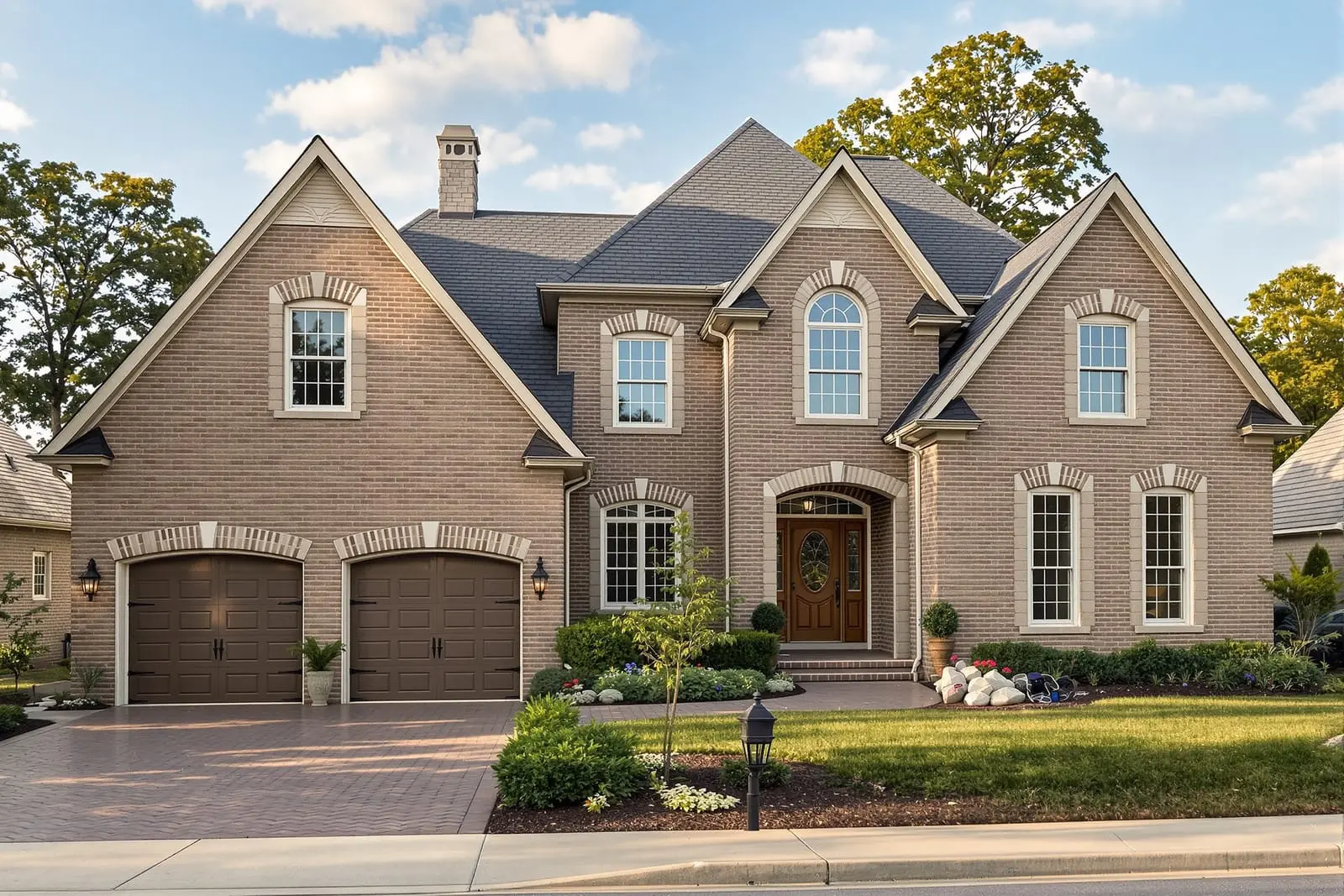
Our tuckpointing services in Miami, FL restore aging brick by removing loose mortar and packing in fresh, color matched joints. Proper repointing stops water intrusion and preserves the strength of your walls, chimneys, and facades. We work carefully to protect surrounding brick and match existing styles for a seamless look. Book a free inspection to see if your masonry needs mortar joint repair.
Vanguard Masonry Miami provides professional tuckpointing throughout Miami, FL and the surrounding area. Our licensed, insured crew delivers safe, clean, on-time work with a free estimate before anything begins. Call (786) 460-2476 or request your free quote.
Tuckpointing in Miami: What It Is and When You Actually Need It
In Miami, brick and block generally hold up well, but the mortar joints take a beating from salt air, heavy rain, and strong sun. Tuckpointing and repointing are ways to fix failing mortar so the wall stays solid and watertight without tearing it down. Vanguard Masonry Miami focuses on this type of repair because most older masonry here does not fail in the bricks first, it fails in the joints.
Tuckpointing means cutting out loose or cracked mortar and packing in new mortar so the joint is strong and tight again. Repointing is often used as a broader term for the same process, but some people use “tuckpointing” to describe a more detailed finish with two colors of mortar so the joints look very crisp and fine. On South Florida homes, we mostly perform structural repointing, then, if you want, we can dress the face of the joints to give that neat, narrow-line appearance.
In Miami, common signs you actually need tuckpointing include sandy or powdery joints that you can scrape out with a key, hairline cracks that travel along the mortar instead of through the brick, gaps around window or door openings where you can see light, and damp marks inside the wall after heavy rain. Clients in coastal neighborhoods like Miami Beach, Key Biscayne, and the east side of Coral Gables often call us after noticing white salt staining (efflorescence) along the joints. That usually means moisture is moving through the mortar instead of being blocked by it.
Vanguard Masonry Miami does not just “touch up” the surface. We go deep enough into the joint to remove the failed material so new mortar has something solid to bond to. This kind of work is slower and more careful than basic patching, but it is what actually stops leaks, loose bricks, and future cracking.
How Vanguard Masonry Miami Actually Performs Tuckpointing and Repointing
Good tuckpointing is about method, not speed. On a typical Miami project, Vanguard Masonry Miami follows a clear sequence so the new joints last in our heat and humidity.
First, we inspect each wall up close. We tap the joints with a small hammer, probe with a pick, and mark out every area with hollow, soft, or badly cracked mortar. We also look for related problems such as rusted rebar in concrete tie beams, loose stucco over brick, and movement around window sills. This matters because repointing alone will not solve a structural shift or hidden rust.
Next, we remove the failed mortar. We use either tuckpointing grinders with dust control or hand tools, depending on how delicate the brick is. We cut back to sound mortar, usually to a depth of about 1/2 to 3/4 inch for residential work, and sometimes deeper on old multi-wythe brick walls. In Miami, where many properties are occupied year-round, we schedule the dustiest work during times that create the least disruption and we protect pools, cars, and landscaping with plastic sheeting.
Then the joints are cleaned with brushes and compressed air or vacuum so there is no loose grit left. Wherever salt contamination is heavy, we may rinse lightly and allow for proper drying, since trapping salty residue behind new mortar will shorten its life. After that, we pre-dampen the joints. This is critical in our climate, because hot, dry brick can pull water out of the fresh mortar too fast and weaken the bond.
We then pack new mortar into the joint in layers, pressing it firmly so there are no air pockets. On some Miami Brickstone-style homes, the inner layer of mortar matches the strength and composition of the original, and the final surface layer is tuned for color and finish. Once the mortar firms up, we tool the joints to match the original shape, whether that is concave, V-joint, flush, or raked. If a true “tuckpointed” look is requested, we use a slightly darker base mortar and then run a fine line of lighter pointing mortar on the surface to create the sharp, narrow joint look. The last step is careful cleanup with soft brushes or low-pressure washing so we do not streak the brick.
Materials, Color Matching, and Options That Matter in Miami
Not all mortar is the same, and in Miami using the wrong mix can damage brick or fail quickly. Vanguard Masonry Miami selects mortar based on the age of the building, the type of masonry, and exposure to salt and water.
Older brickwork, such as pre-1960s structures in parts of Coconut Grove or Little Havana, often needs a softer lime-rich mortar that moves with the wall instead of a very hard modern mix. If you pack hard mortar into soft brick, everyday expansion from heat and moisture can start pushing cracks through the brick faces instead of the joints. For newer block and brick veneer, we typically use a modern Type N or Type S mortar, adjusted for strength and flexibility based on wind exposure and wall height.
Color is usually the part homeowners worry about most. To blend new joints into existing work, we test small samples on the wall instead of guessing from a chart. We take into account not only the color of the sand and cement, but also how the mortar will look once it has dried under Miami sun for a week or two. For historic or decorative facades, we sometimes add custom aggregates or pigments to mirror the original look. On ocean-facing properties, we favor mixes proven to handle salt spray and repeated wetting and drying.
You can also choose how visible the repair should be. Some customers want the patch to disappear, so we blend the tuckpointing into the surrounding area and avoid changing the joint profile. Others prefer the joints to stand out crisply to refresh a tired facade. In those cases we may clean a wider area, retool more of the joints, and even combine tuckpointing with brick cleaning or selective brick replacement so the whole section looks consistent.
Another Miami-specific factor is surface sealing. We rarely rush to coat fresh tuckpointing with heavy sealers. In our climate, non-breathable coatings can trap moisture inside the wall and cause blistering or spalling. When a sealer is actually needed, such as on exposed parapet walls or balcony edges, we use breathable water repellents and apply them only after the mortar has properly cured.
What Affects Tuckpointing Cost and Timeline in Miami
Tuckpointing and repointing prices in Miami vary mainly by access, depth of damage, and how much detail the finish requires. Vanguard Masonry Miami explains these factors clearly so you understand what you are paying for.
Access is usually the first driver. A one-story backyard wall in Westchester that we can reach from the ground will cost less per square foot than a three-story ocean-facing wall in Miami Beach that needs scaffolding, swing stages, or complex fall protection. Tight property lines and limited street parking can add setup time, which is a real cost on multi-day jobs.
The condition of the existing joints is the second big factor. If mortar is only surface-cracked, removal is faster. If it is deep, loose, or contaminated with salt, we need to cut out more material and sometimes work in shorter sections so the wall stays stable. In some older buildings, we find areas where previous repairs used the wrong mortar or even caulk in the joints. Removing those materials is slower and may reveal hidden brick damage that needs extra attention.
Detail level also matters. Simple structural repointing with a standard joint profile costs less than full tuckpointing with contrasting fine lines on a decorative front elevation. Color matching on historic or high-visibility facades, test panels, or coordination with a condo board or historic review can add planning time that is factored into the estimate.
Miami’s weather is the last major variable. We plan work around heavy rain, high winds, and extreme afternoon heat. On humid summer days, mortar curing is slower, so we may need more time between stages. On very hot days, we may shift the most sensitive work to early mornings to protect both the wall and our crew. When Vanguard Masonry Miami gives you a proposal, we include a realistic schedule that accounts for these local conditions so you are not surprised by delays.
Why Miami Homeowners Trust Vanguard Masonry Miami for Tuckpointing
Tuckpointing is one of those trades where the finished work can look similar in photos even when the quality is very different. The real difference shows up years later in whether the wall stays tight and dry. Vanguard Masonry Miami focuses on a few key practices that matter specifically in our climate and building styles.
First, we treat water control as the goal, not just a cosmetic fix. During our site visit, we look at roof lines, window flashings, stucco transitions, and nearby planters or sprinklers. Many Miami leaks that show up in masonry joints start with water coming from somewhere else. If we see a source like a failed balcony flashing or a constantly wet planter against the wall, we point that out and help you decide whether to correct that at the same time. Otherwise, even the best tuckpointing will be working against constant moisture.
Second, we value matching the existing wall. Miami has a mix of architectural styles, from older brick apartments to newer commercial block buildings, and each has its own joint patterns and finishes. We pay attention to joint width, layout, and tooling marks so a repaired section does not jump out from the street. On condos and commercial properties we often coordinate with management to schedule work by elevation so sections of the building look consistent as we move around.
Third, we explain the work clearly. Our estimates break down which areas need only shallow repointing and which require deeper removal or brick replacement. We tell you what mortar type we plan to use and why, and we are open to questions before we start. Many of our Miami clients come to us after a bad experience with surface-only patch jobs that failed within a year or two.
Finally, we stand behind our work. Our tuckpointing and repointing projects come with a written workmanship warranty that reflects typical weather exposure for that wall. We also provide basic care advice, such as avoiding harsh acid cleaners that can weaken fresh joints, and what signs to watch for over time. When you hire Vanguard Masonry Miami, you get a team that understands how Miami’s climate, salt, and building styles affect masonry, and we tailor our tuckpointing process to fit those realities, not a generic checklist.
“
Professional tuckpointing and repointing, done right the first time, quality materials, honest pricing, and results that last.
Vanguard Masonry Miami
Tuckpointing and Repointing Across Our Service Area