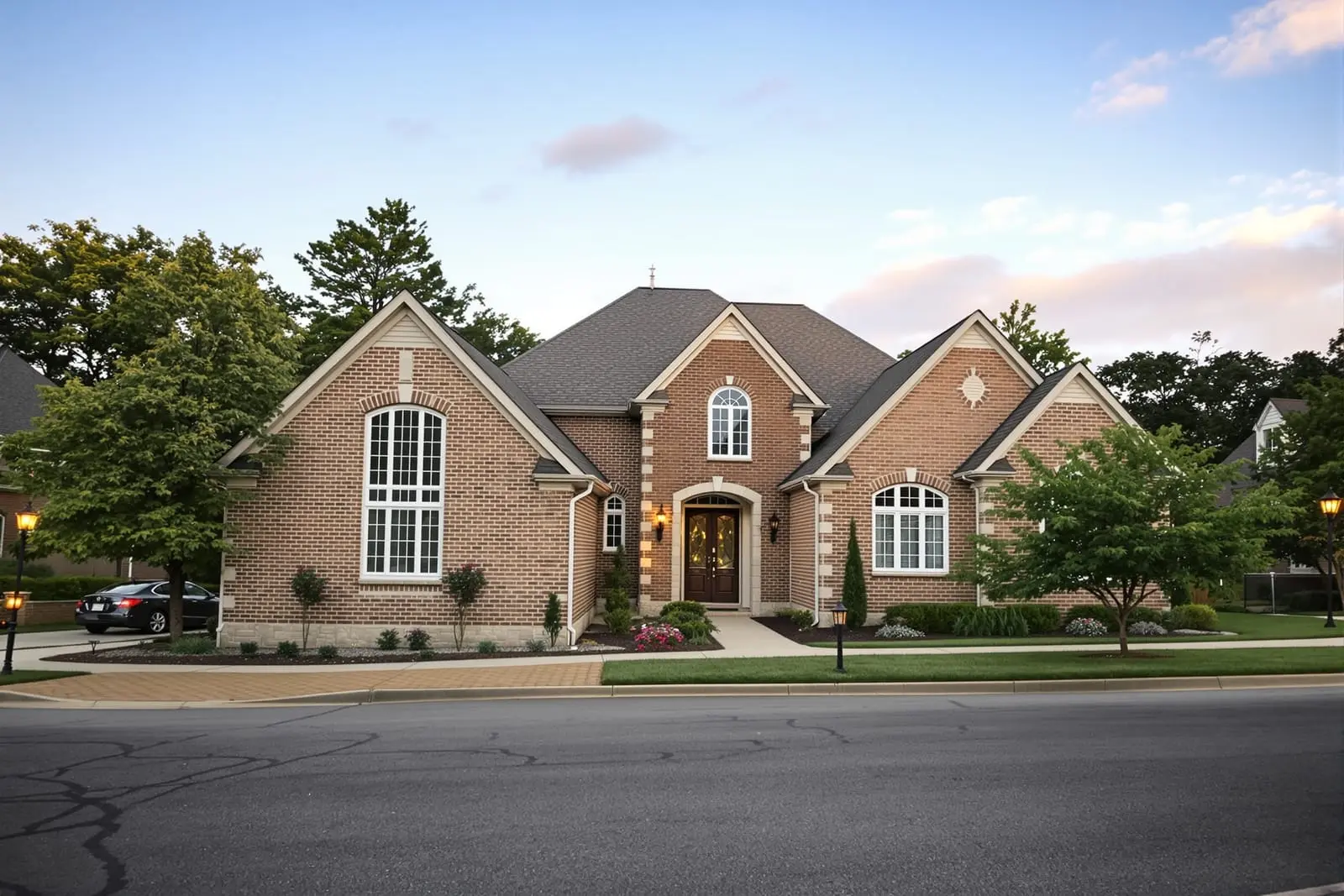
We provide precise brick veneer installation in Miami, FL to give your home the look of full brick without the structural weight. From full facades to accent walls, we secure veneers properly and detail the joints for a seamless appearance. Update your curb appeal with durable, low maintenance brick facing.
Vanguard Masonry Miami provides professional brick veneer installation throughout Miami, FL and the surrounding area. Our licensed, insured crew delivers safe, clean, on-time work with a free estimate before anything begins. Call (786) 460-2476 or request your free quote.
Brick veneer installation in Miami tailored to your home
Brick veneer gives Miami homes the character of a full brick wall without the structural weight or cost. At Vanguard Masonry Miami, we focus specifically on brick veneer installation that can handle coastal humidity, intense sun, and hurricane season.
A veneer wall is typically a single layer of thin brick units that is anchored to a wood or concrete block wall. It delivers the appearance of solid masonry, but the existing structure still carries the load. This makes it ideal for Miami remodels where homeowners want to upgrade stucco, painted block, or dated siding to something more durable and upscale.
We regularly install brick veneer on front facades, entryways, porch columns, outdoor kitchens, balcony walls, and interior feature walls. Many Miami clients call us when they want to modernize a 1970s or 1980s stucco home with a new front elevation without tearing the whole structure apart. During our first visit, we walk the property, check the existing wall condition, take moisture readings where needed, and talk through how the new brick will interact with your current finishes and trim.
Vanguard Masonry Miami handles every step in-house, from surface prep and layout to mortar selection and final sealing, so you are not left coordinating multiple trades. We explain each phase before starting, including where we will set up saws, how we will protect landscaping, and what to expect day to day while work is in progress.
How brick veneer installation actually works
A quality brick veneer installation starts with sound preparation. First, we verify that your existing wall framing or masonry is solid and properly anchored. On framed walls, we confirm that sheathing and building wrap are intact and rated for our humid, coastal climate. On block walls, we check for cracks, spalling, or previous coating failures that could interfere with adhesion or fasteners.
Next, we install the moisture management system. In Miami, this is critical. We use code-compliant weather-resistant barriers and, where appropriate, rainscreen components that create a small drainage and ventilation space behind the veneer. We integrate metal flashing above windows and doors and at transitions so any water that gets behind the veneer has a path out instead of into your framing.
Once the substrate is ready, we set metal lath (for adhered thin brick systems) or brick ties (for anchored veneer) according to the layout. Fastener type and spacing are chosen for your specific wall, such as stainless or hot-dipped galvanized fasteners near coastal exposure. We use laser levels and chalk lines to establish consistent coursing so the veneer aligns with window heads, patios, and existing architectural lines.
We then begin laying the brick veneer from the bottom up. Bricks are buttered with mortar or set into a ridged mortar bed, and we maintain joint thickness with spacers where needed. We constantly check level, plumb, and alignment every few courses. Around corners, we use special corner units or carefully mitered returns so the brick appearance continues naturally instead of looking like a thin facing.
After the bricks are set, joints are tooled to the chosen profile when the mortar reaches the right firmness. This timing matters in our climate because hotter days can accelerate drying. We clean the wall with appropriate brick-safe cleaners, not harsh acids that could burn the surface, and then, if specified, apply breathable sealers that help repel moisture while allowing vapor to escape.
Brick styles, mortar options, and design choices for Miami homes
Brick veneer is as much a design decision as it is a construction project. Vanguard Masonry Miami helps you select materials that look right on your home and perform well outdoors in the South Florida climate.
For color, Miami homeowners often choose lighter, sun-friendly palettes such as soft whites, creams, and light grays to keep facades from absorbing too much heat. Others prefer a classic red blend for a more traditional feel, especially in neighborhoods with older homes or historic influences. We can bring sample boards to your property so you can see how colors look in your actual sunlight, not just in a showroom.
Texture also matters. Tumbled or wire-cut bricks give a relaxed, coastal or rustic look, while smooth or modular units fit better with contemporary architecture. For interior feature walls, thinner profile bricks or sliced-face veneers keep the wall from projecting too far into the room, which works well in Miami condos where space is tight.
Mortar color and joint style can dramatically change the finished appearance. A matching mortar creates a uniform look, while contrasting mortar makes each brick stand out. Common joint styles we install include concave (excellent for water resistance), flush, and slightly recessed raked joints for a shadow-line effect. On coastal-facing walls we almost always recommend a concave joint because it sheds wind-driven rain better.
We also pay attention to how the veneer meets other finishes such as impact windows, stucco bands, and tile or paver walkways. Proper trim pieces, weep joints, and sealant transitions keep the wall looking intentional and prevent hairline cracks from movement over time.
What drives brick veneer cost in Miami
Homeowners often ask why two brick veneer projects that look similar in photos can be priced very differently. The answer usually comes down to structure, access, and material choices.
The first cost factor is the condition and type of existing wall. Applying veneer over flat, sound concrete block is more straightforward than over wavy, patched stucco or damaged framing. If we need to repair sheathing, install additional blocking, or correct out-of-plumb walls so the veneer does not visibly lean, labor time increases.
The second factor is height and accessibility. Single-story front facades with clear yard access are more economical than three-story elevations, tight side yards, or work above pool decks. The more scaffolding or specialized fall protection we need, the more setup and breakdown time we must include.
Materials also play a large role. Imported or custom-blend bricks, extra-thin veneers, specialty corner units, and colored mortar all raise material cost. On the other hand, choosing a readily available brick that still complements your home can keep the project within budget without sacrificing quality.
Detailing is another driver. Intricate patterns such as herringbone panels, arches over windows, or soldier-course bands take more layout and cutting. Exterior projects that require enhanced drainage systems, stainless ties, or high-performance sealants to meet coastal exposure standards will cost more upfront but can prevent costly repairs later.
During estimates, Vanguard Masonry Miami itemizes these elements so you can see what is influencing the price. We provide at least one base option and, if you want, alternates for upgraded brick or additional detailing, so you control where to invest.
Common brick veneer problems in Miami and how we prevent them
Our climate creates very specific challenges for brick veneer. High humidity, intense afternoon storms, and wind-driven rain can all stress a poorly built veneer system. Vanguard Masonry Miami structures every project to avoid the issues we are most often called to repair.
One frequent problem is trapped moisture. Without proper flashing and drainage paths, water can collect behind the veneer and work its way into framing or interior finishes. We prevent this by leaving weep spaces at the bottom of the veneer, using compatible flashing at window heads and roof-to-wall intersections, and tying the weather-resistant barrier into these components instead of just overlapping them loosely.
Efflorescence, the white powder that can appear on brick, is another common complaint. It usually results from water moving through the wall and bringing salts to the surface. We reduce the risk by choosing quality mortars, controlling water during mixing and cleaning, and ensuring proper curing times in our hot climate. If efflorescence does appear, we use appropriate cleaning solutions and address the moisture source so it does not return.
Cracked or separating veneer can happen when the wall behind moves more than the brick layer can accommodate. This is why correct placement and type of brick ties or lath fasteners are so important. On wood-framed walls, we pay special attention around large window openings and long wall runs, areas that are more prone to movement. We also respect expansion joint requirements where needed so the veneer can move slightly without visual damage.
Because hurricanes are a reality in South Florida, we secure veneer systems to withstand high winds. That includes appropriate fastener embedment, anchoring patterns that meet or exceed local code, and careful inspection of substrate conditions before we attach anything. We never assume what is behind a stucco or siding surface; we verify it.
Our process and what to expect when you hire Vanguard Masonry Miami
From first call to final walkthrough, we keep the brick veneer installation process organized and predictable so you are not guessing what comes next.
1. Consultation and site review: We visit your property, listen to what you want the veneer to accomplish, and inspect existing walls, drainage, and surrounding features. We take measurements and photos and discuss design options that fit your budget.
2. Detailed proposal: You receive a written proposal that outlines the scope of work, brick and mortar selections, moisture management details, and an estimated schedule. If there are unknowns, such as hidden damage that might appear when old finishes are removed, we explain how we will handle them and what any additional cost triggers would be.
3. Scheduling and preparation: Once you approve the proposal, we schedule the work, secure any required permits, and coordinate around other projects, such as new windows or roofing. Before we start, we protect nearby plants, walkways, and outdoor furniture, and we set up cutting areas where dust can be controlled.
4. Installation: Our crew follows the plan you approved, but we stay flexible to field conditions. If we discover unexpected issues inside the wall, we show you photos, explain options, and obtain your approval before proceeding. We keep the site tidy, remove debris regularly, and respect quiet hours as much as possible.
5. Final walkthrough and care guidance: When the veneer is complete, we walk the project with you, inspect joints, alignment, and transitions, and address any touch-ups on the spot. We leave you with basic care instructions, including how to clean the veneer, which products to avoid, and what early warning signs of potential issues to watch for in our climate.
If you are considering brick veneer installation for your Miami home, Vanguard Masonry Miami is available to talk through ideas, review photos, and help you decide if veneer is the right solution for your exterior or interior upgrade.
“
Professional brick veneer installation, done right the first time, quality materials, honest pricing, and results that last.